
Eat the Rainbow: Colour Your Plate for Better Health
- 2 hours ago
- 2 min read
Healthy eating should be enjoyable, colourful, and full of variety. One simple way to encourage children to eat a wider range of fruits and vegetables is to “eat the rainbow”. Different colour fruits and vegetables contain different vitamins, minerals, and plant compounds that support growth, learning, and overall health. By including a variety of colours on the plate, children can benefit from a broader range of nutrients while making mealtimes more appealing and exciting.
Red
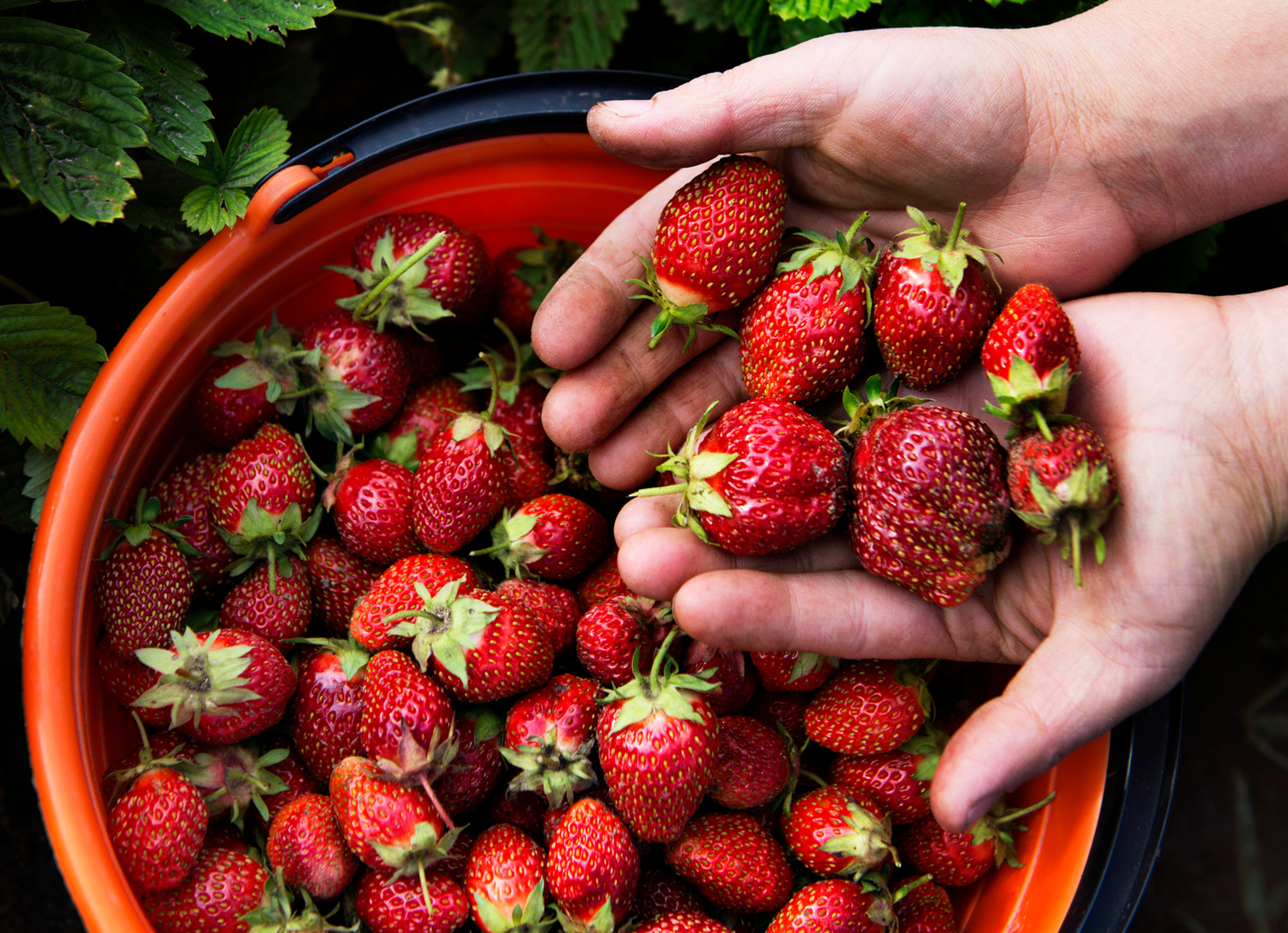
Strawberries & Tomatoes
Red fruits and vegetables are rich in vitamin C and beneficial plant compounds such as lycopene. Vitamin C supports the immune system, helps the body absorb iron, and contributes to healthy skin and gums. Adding strawberries and tomatoes to meals and snacks is an easy way to boost nutrient intake.
Orange

Carrots & Oranges
Orange foods are packed with beta-carotene, which the body converts into vitamin A. Vitamin A supports healthy vision, growth, and immune function, while oranges also provide vitamin C. These bright foods add natural sweetness and vibrant colour to plates.
Yellow

Bananas & Pineapples
Yellow fruits such as bananas and pineapples provide important nutrients including potassium and vitamin C. Potassium helps muscles and nerves function normally and supports healthy growth and development.
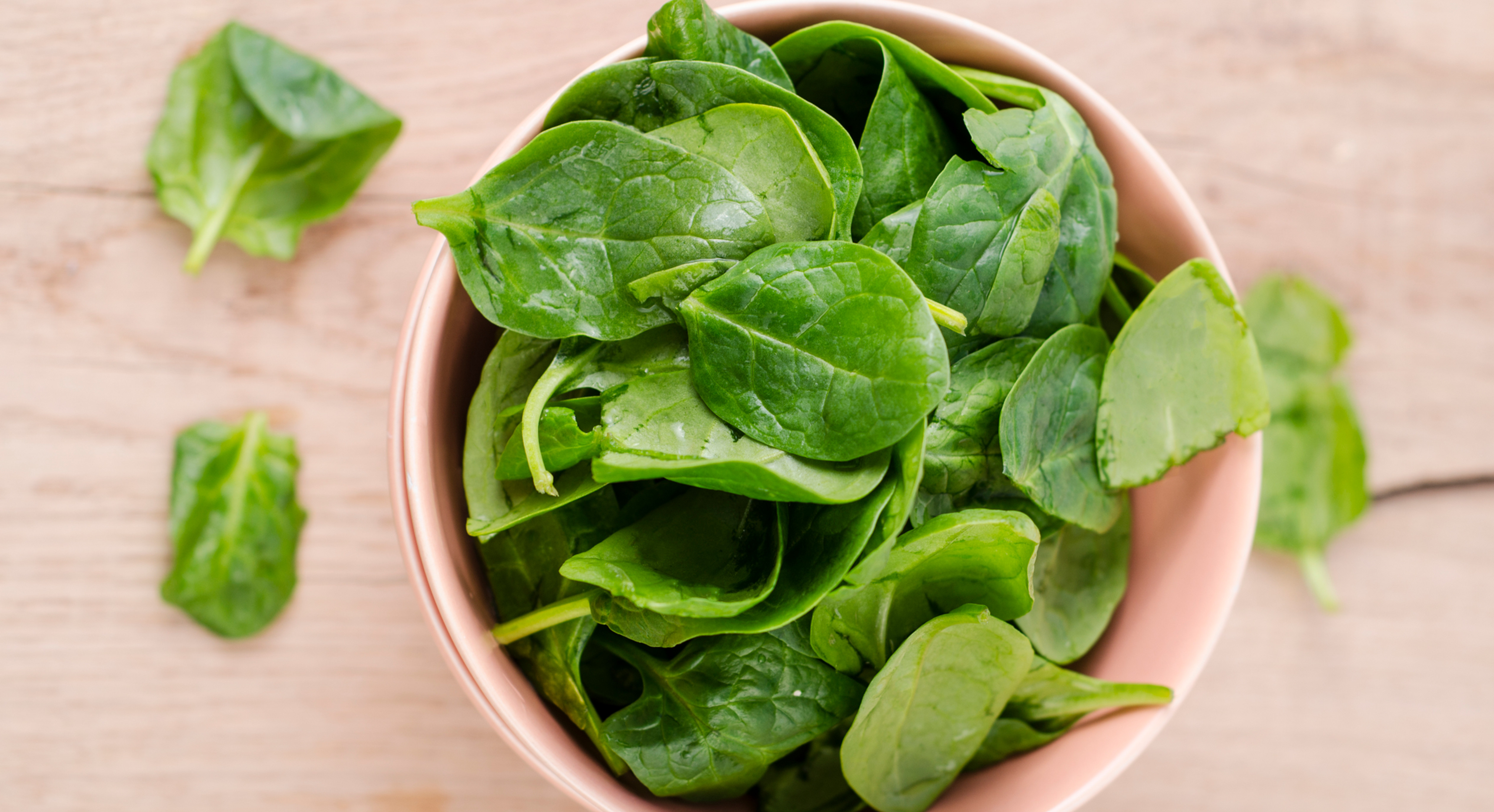
Spinach & Avocado
Green foods are often rich in vitamin K, folate, and fibre. Spinach supports bone health and normal blood clotting, while avocados provide healthy fats that help children stay satisfied and support brain development.

Blueberries & Grapes
Blue and dark-coloured fruits contain fibre and naturally occurring plant compounds called anthocyanins. Fibre supports digestive health, while anthocyanins help protect cells and contribute to overall wellbeing.
Purple
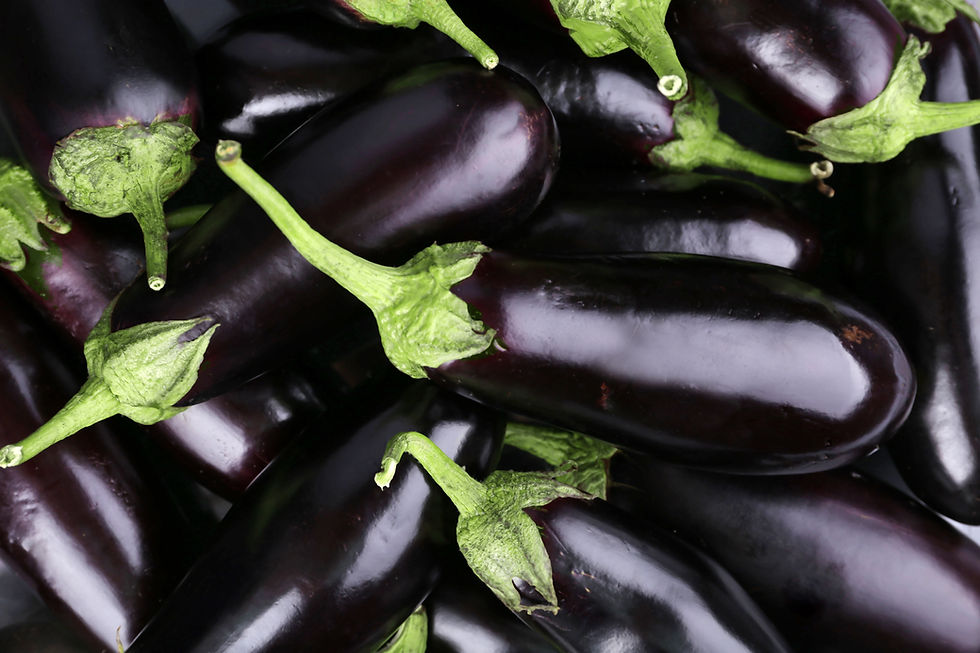
Aubergine & Berries
Purple fruits and vegetables are also rich in anthocyanins. These colourful compounds are linked with supporting brain health and protecting cells from damage. Adding berries to breakfasts or desserts is a delicious way to include more purple foods.
Supporting Healthy Habits at School
Encouraging children to eat a variety of colourful fruits and vegetables aligns closely with the UK School Food Standards. The standards require schools to provide at least one portion of vegetables or salad and at least one portion of fruit every day, helping children access a balanced and nutritious diet. At HCL, we offer different fruits and vegetables throughout the week to help children experience new flavours, develop positive eating habits, and meet their nutritional needs. Eating a colourful variety of fruits and vegetables helps provide the vitamins, minerals, fibre, and antioxidants children need to grow, learn, and thrive. By making healthy food visually appealing and enjoyable, we can encourage lifelong healthy eating habits.


Comments